The Lorry That Won’t Risk the Hill: Who Pulls the Plug on Bin Day
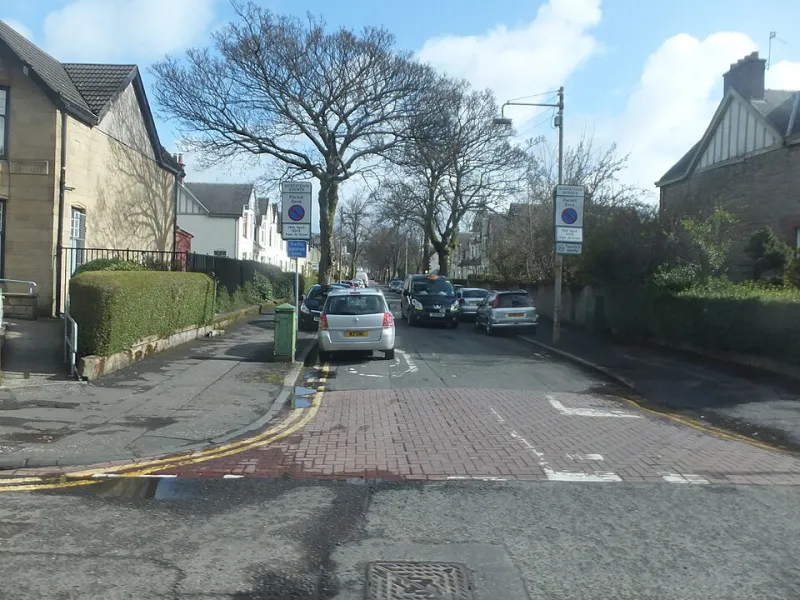
Photo: Barbara Carr , CC BY-SA 2.0, via Wikimedia Commons
On a raw November morning, there are few sights more optimistic than a wheelie bin at the kerb. It sits there in the half-light, handle to the wind, waiting for a lorry that may already have decided not to come. By 10am the street is full of bins and rumours. By lunchtime, someone has posted a blurry screenshot in the neighbourhood group: collections suspended. The question everyone asks is simple. Who actually decides that?
The call starts long before the lorry leaves the depot
Bin day feels like a fixed fact of local life. It is not. A waste round is a sequence of risk assessments, vehicle checks and human judgments, and winter weather interrupts all three. The decision usually sits with the council’s waste manager or the duty supervisor at its contractor, often after a very early look at road conditions, forecasts and reports from gritting crews. On a morning of ice, the conversation is less about whether a bin can be emptied and more about whether a 26-tonne refuse vehicle can safely get to it, stop on a slope, and get back out again.
That is why a main road can be clear while your cul-de-sac is untouched. Refuse lorries are heavy, wide and slow to stop. A street that looks fine to a driver in a hatchback can be a bad bet for a vehicle with a high centre of gravity and a crew working on both sides. Councils also have a duty of care to staff. If a route is exposed to high winds, blocked by snow, or lined with parked cars that narrow the gap, the round may be pulled before a single bin is touched.
Safety maths on a slushy hill
The public conversation about missed bins often begins with fairness: why was my street skipped when the next road got done? The operational answer is usually risk. A single steep bend, an ungritted estate road or a patch of black ice near a school gate can make one section of a round unsafe while the rest is fine. Waste teams also have to think about weight. A lorry that is already part-full may struggle on a slick incline. Crews walking between bins on icy pavements are another factor. A missed collection is frustrating; an injured loader is worse.
There is a money story underneath this, too. Suspending a round is not free. Catch-up collections cost overtime, fuel and staff hours. Contractors may face penalties or extra payments depending on the deal with the council. Extra bags left out after a missed round can slow the next collection and create litter complaints. Councils are caught between getting the service back on track and not throwing good money after bad in conditions that are likely to worsen by lunchtime.
One street gets a text. Another gets silence.
The communication gap is where winter bin rounds really wobble. Some councils have text or email alerts that ping before 7am. Some update a website banner, post on social media and leave it there. Others rely on the bin lorry not arriving and a resident eventually filling in an online missed-collection form. In a few places, crews or supervisors put notices on bins, but that only helps if you are at home to see it — and if the notice does not blow down the street.
This uneven messaging turns a routine operational decision into a local argument. If one household hears at 6.30am and another hears nothing until Thursday, the second household may leave bins out for days, blocking pavements and annoying neighbours. People start comparing notes. Was it the whole road or just one side? Did the council say no collections at all, or only no food waste? Did anyone get a catch-up date? Without clear, street-level information, rumour fills the gap. And rumour is rarely fair.
When a missed round becomes a street argument
The fairness question is real, but it is often aimed at the wrong target. The neighbour who left their bin out is not the reason the lorry did not come. The council that suspended collections is not necessarily cutting corners. The contractor that pulled the round may have made the sensible call. The problem is that winter waste decisions are made quickly, communicated patchily and then judged by people who can see only their own kerb.
There is also a quieter issue: side waste. When a collection is missed, some households put out extra bags the following week. Crews are then expected to take more than the bin, which slows the round and can mean the next street is missed. Councils sometimes allow extra waste after a suspension and sometimes do not. If that rule is not explained clearly, residents understandably assume the worst.
What actually helps
If snow or ice is forecast, the most useful thing a council can do is decide early and say so in plain English. Not a generic ‘services may be affected’ line, but a street-level answer: collections suspended in this area, do not put bins out, catch-up on Saturday. A text alert is good. A website update is fine. Both together are better. Residents can help by bringing bins in if a collection is called off, reporting missed streets through the official channel, and not treating the neighbourhood group as a customer service desk.
The bin lorry is not a weather-proof certainty. It is a heavy vehicle on a risky route, driven by people who would rather come back tomorrow than slide into a parked car today. The least glamorous part of local government is often the part that decides whether your recycling waits another week. In a cold snap, a clear message is almost as valuable as the collection itself.