Mild Is Not Milder: The Dangerous Comfort of a Warm November
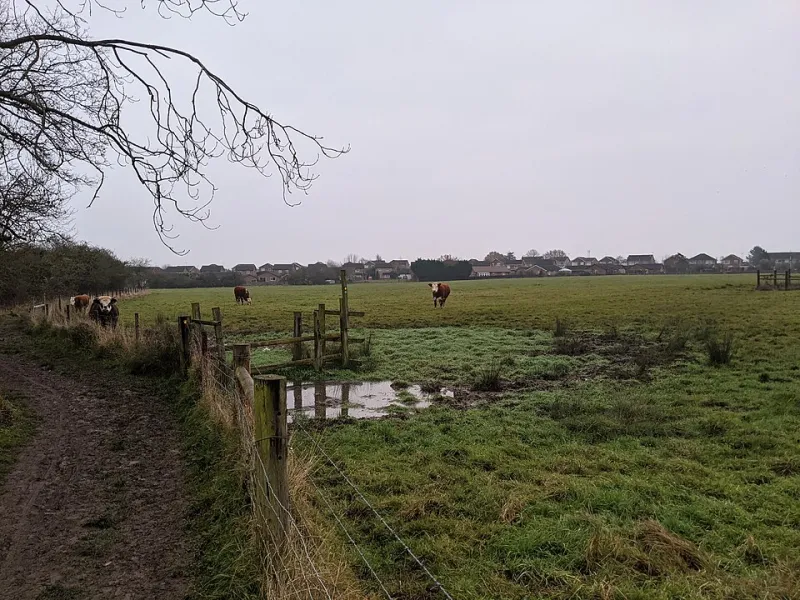
Photo: Bob Harvey , CC BY-SA 2.0, via Wikimedia Commons
There is a particular kind of British comfort in a warm November. Coats stay on hooks. Heating timers stay off for another week. The forecast says 'unseasonably mild' and we nod along, grateful for small mercies before the real winter bites.
But the phrase is doing more than describing the weather. It is doing political work. 'Unseasonably warm' sounds like a reprieve. It frames mildness as a bonus, a delay to the hardship season. In reality, a warm, wet autumn is a warning signal — and Westminster is nowhere near honest about what it signals.
The forecast that sounds like good news
The current outlook for much of the UK is mild, unsettled and dominated by Atlantic lows. Daytime temperatures in parts of southern England could nudge 16C this week, well above the November average. There will be rain, wind and the usual regional split, but the headline is warmth.
That headline matters because it shapes the political conversation. When the weather is mild, energy bills feel less urgent. Cold weather payments are not triggered. The pressure on the Treasury to extend support eases. Ministers can point to the thermometer and say the crisis is not as bad as feared.
Except the crisis was never only about temperature. It is about price. A household on a standard variable tariff is still paying far more than it did three years ago, regardless of whether the thermostat is on. Standing charges have risen. Insulation rates have stalled. The mild weather reduces demand, but it does not reduce the cost of a cold home when the cold does arrive — and it always arrives eventually.
Energy bills don't care about the thermometer
The government's winter support package is targeted at the poorest households, but eligibility is tight and take-up is patchy. A mild November makes it easier to argue that the package is sufficient. It also makes it easier to delay decisions about the next price cap, the next round of insulation funding, the next energy efficiency scheme.
The problem is that mild weather masks fuel poverty rather than solving it. A household that cannot afford to heat its home in November will not suddenly be able to afford it in January. The difference is that in January the failure is visible. In November it is hidden behind an open window and a lower bill.
Flood risk hides in plain sight
Warm, wet autumns also load the dice on flooding. Saturated ground and mild air carrying more moisture are a bad combination. The Environment Agency has already issued flood alerts in several catchments this month. Councils are checking gullies and clearing culverts, but years of underfunding in local flood defence have left a backlog.
Mild November weather is not a break from flood risk. It is part of the pattern. A warmer atmosphere holds more water, and a wet autumn means the ground has less capacity to absorb the next storm. When the rain comes — and it will — the political question is not whether it was 'unseasonably warm' but whether the drainage, defences and emergency plans were ready.
Public health's quiet casualty
Public health messaging around winter usually focuses on cold snaps. But mild winters bring their own risks: damp and mould in poorly ventilated homes, higher pollen and fungal spore counts, and a longer season for some infectious diseases. Cold-related deaths are not limited to snowy days; they happen in homes that are cold because they are expensive to heat, not because the outside temperature is extreme.
A mild November can also lull people into delaying flu jabs and boiler checks. The NHS is already under pressure. A warm autumn does not reduce that pressure; it shifts it later, when the weather turns and the backlog of unheated homes and untreated illnesses becomes visible.
Westminster's weather-shaped blind spot
The deeper problem is that UK policy is still weather-shaped. Support is triggered by temperature thresholds. Flood funding is often reactive. Energy efficiency is treated as a long-term nice-to-have rather than emergency infrastructure. Mild weather exposes the flaw in that approach: if the policy only responds to cold, it fails when the cold is delayed but the costs are not.
Ministers will point to record investment in renewables and grid upgrades. Fine. But households do not heat their homes with press releases. They heat them with gas, electricity and money. A mild November is the moment to fix the leaky homes, top up the support, and fund the flood defences before the freeze. Instead, it is being treated as a holiday from hard choices.
A more honest forecast
The UK needs a more honest national conversation about mild weather. That means dropping the phrase 'unseasonably warm' as a synonym for good news. It means reporting mild autumns alongside energy debt, flood alerts and cold-home statistics. It means asking why a country that prides itself on forecasting cannot plan for the obvious fact that winter always comes.
The weather is not the problem. The problem is the assumption that mildness buys time. It does not. It just moves the bill to a colder month — and by then, the political excuses will be as thin as the frost.