The Crater Commute: Why a Wet November Is Writing Next Spring's Road Repair Bill
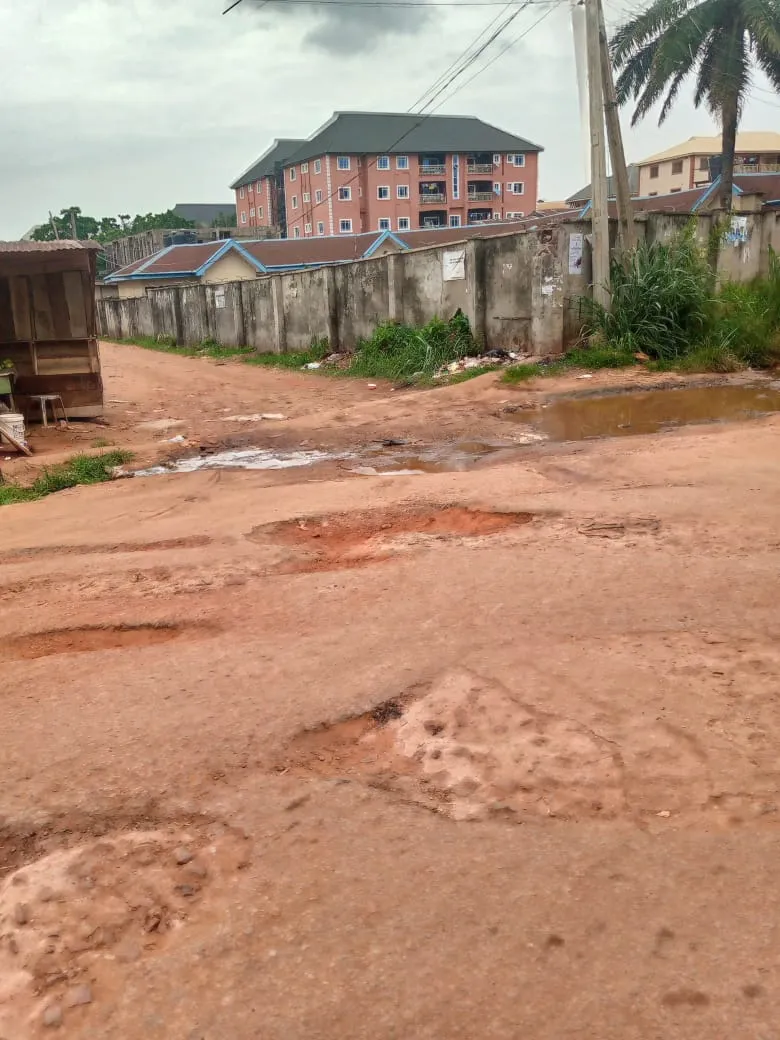
Photo: Adakaibe, CC BY-SA 4.0, via Wikimedia Commons
If you have driven anywhere in the last fortnight, you will have felt it: that sudden, sickening thud as a front wheel drops into a crater that definitely was not there in September. Pothole season has arrived early this year, and the culprit is the weather. A soaking November across much of the UK has left road surfaces saturated, and councils are already bracing for a repair bill that will come due long after the last of the autumn rain has drained away.
How rain turns tarmac into a sieve
Tarmac is not the solid, waterproof lid most of us imagine. It is a mix of stone aggregate bound together with bitumen, and over time it develops hairline cracks. Water gets in, sits in the gaps, and weakens the bond between the layers. Add traffic and you get a pumping action: tyres push water deeper into the surface, forcing it through the structure like a hand pump. The road does not fail all at once. It fails slowly, then suddenly, usually on a morning when you are already late.
A single downpour rarely creates a pothole on its own. What a wet November does is set the stage. The sub-base, the layer beneath the visible surface, becomes saturated and loses strength. Come the first hard frost of January and February, the water trapped inside expands and contracts, prising open cracks and loosening the aggregate. By March, what started as a shallow depression has become a rimmed crater with sharp edges and a talent for damaging alloy wheels. Engineers call it fatigue; drivers call it the reason they now swerve like they are practising for a slalom.
Why the bill varies so wildly from one council to the next
Ask two highway authorities what they spend on road maintenance and you will get two very different answers. Some councils have kept a steady capital programme for resurfacing, replacing worn-out stretches on a rolling cycle. Others have relied on one-off pots of government money and emergency patches, which keeps the headline figure moving but does little for the long-term condition of the network.
The gap is not just about money. It is about geography, too. A rural authority with hundreds of miles of narrow, lightly trafficked lanes faces a different set of costs from a dense urban borough where buses and HGVs chew up the same junctions year after year. Council tax bases vary, deprivation levels vary, and the age of the road network varies. The result is a postcode lottery that determines whether your commute is smooth or spine-jarring, and whether a repair happens in weeks or waits until the next financial year.
There is also a legal dimension that few residents know about. Councils can use a statutory defence, often referred to as the Section 58 defence, if they can show they had a reasonable system of inspection and maintenance in place. In practice, that means the quality of the repair regime matters as much as the size of the budget. A council that inspects regularly and logs defects is in a stronger position than one that reacts only when the complaints pile up.
Patch now, pay later
When money is tight, the default response is the patch. A crew arrives, cleans out the hole, and fills it with fresh material. It is quick, relatively cheap, and it gets the road back into a usable state. But patches are temporary by design. In wet conditions, the bond between the new material and the old surface can fail, and the patch itself can become the next pothole. Spray injection patching, where a machine blasts the defect clean and fills it in one go, is more durable than a hand-applied fix, but it is still not a resurfacing job.
The economics are uncomfortable. Resurfacing a stretch of road properly can cost many times more than patching it, which is why councils often defer the bigger job until the road has deteriorated to the point where patching no longer works. That is the point we are approaching in many areas this autumn. The wet weather has accelerated the decline, and the spring repair bill will reflect years of delayed decisions as much as it reflects this month's rainfall.
What you can actually do when your street starts to crumble
First, report it. Councils cannot fix what they do not know about, and a report creates a record. Most authorities have an online form, and sites like FixMyStreet pass the details on to the right department. Include the location as precisely as you can, a photo if possible, and a rough measurement of the hole. A depth guide helps: if it is deeper than a pound coin standing on its edge, it is worth flagging. Mention if it is in a cycle lane, near a school, or on a bus route, because those factors can push it up the priority list.
If the defect is genuinely dangerous, phone the council rather than relying on an online form. And do not assume someone else has already reported it. In practice, the roads that get fixed first are often the ones with the most logged complaints, not necessarily the ones in the worst condition. That is not fair, but it is how many systems work.
Finally, keep an eye on your council's published highway maintenance programme. Most authorities publish a schedule of planned resurfacing, and you can ask your local councillor where a particular road sits on the list. The bill for this wet November will land either way. The question is whether it lands as a planned resurfacing or as an emergency repair in the middle of the school run.