Where the Light Falls: Britain's Wildly Uneven Winter Sunshine, Explained and Ranked
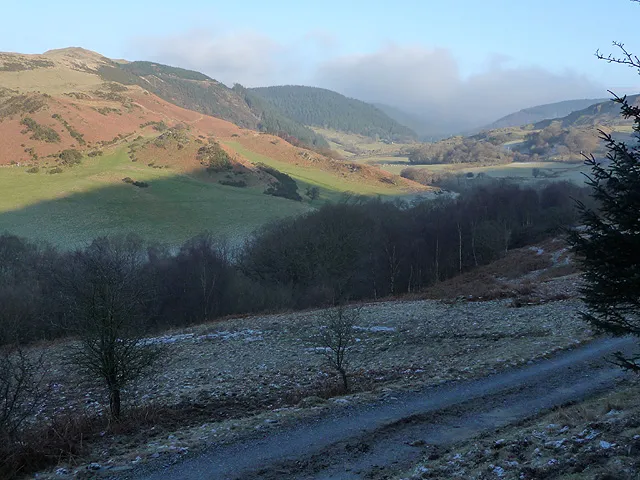
Photo: Nigel Brown, CC BY-SA 2.0, via Wikimedia Commons
There is a particular kind of winter misery that has nothing to do with temperature. It's 11am, the cloud has settled in at roof height, and the sun is reportedly shining somewhere behind it. Possibly Somerset. Possibly the other side of the hill.
Winter sunshine in the UK isn't so much a national resource as a postcode lottery with a weather habit. Some towns quietly bank a decent number of bright hours between November and March. Others go four days without a shadow and start taking it personally. Here's why — and where.
First, the meteorology (briefly)
Three things do most of the work.
Orography. Upland Britain wrings moisture out of westerly air. Wales, Cumbria and western Scotland get the rain; the east sits in the rain shadow and gets the brightness. That's why Norfolk and Suffolk feel like a different country in February.
Hill shadow and valley gloom. In winter, cold air drains into valleys and sits there. You get inversions: thick fog and low cloud in the bottom, clear blue sky and sunshine on the tops. Villagers in a Welsh valley can watch the sun go over the ridge at two in the afternoon while a hill farm two miles away is still bathed in it.
Coastal moderation. The sea keeps coastal areas milder, and mildness matters. Fewer hard frosts means less stubborn freezing fog, and spring sunshine arrives a touch earlier on a south-facing promenade than in a frost hollow inland.
The listicle: Britain's winter light, roughly ranked
1. The south coast sun-belt
Eastbourne, Bexhill, Worthing, the Isle of Wight, and the Dorset coast around Bournemouth all punch above their weight. Seaside resorts have been boasting about sunshine hours for a century and a half — the "sunniest place in Britain" trophy has been claimed by about nine towns, some of them on the same stretch of coast. The claims are generous. The underlying advantage is real.
2. The dry-and-bright east
Suffolk, north Essex and much of Norfolk get comparatively little rain and a decent share of winter brightness, though a flat inland field can also hold a mean fog. Southwold versus Sudbury is a genuine contest.
3. The inversion winners
The tops, not the bottoms. Escarpments, moorland edges and high ground above the fog line get the sunshine that the valley loses. This has produced decades of low-level resentment between hill farms and village High Streets, and rightly so.
4. The frost hollows
Mid-Wales valleys, the Eden Valley, parts of the Yorkshire Dales and the Welsh Marches. Beautiful, cold, and often cloud-bottomed for days. The sun becomes a rumour.
5. The wet uplands
Borrowdale, Snowdonia, the Highland glens. Glorious in a photograph, grim in a December forecast. These places get their revenge in June, when they're twenty minutes from a proper sunset that the south-east lost to a housing estate.
6. The city canyon
Manchester, Leeds, Glasgow, central London. Street-level gloom from tall buildings and a bit of urban haze. Also, arguably, the most over-complained-about category, given how much of the city is within a fifteen-minute walk of a park.
What it does to mood, and to the meter
Here's where the fun listicle turns into something people actually feel. Winter light affects sleep, energy and mood, and seasonal affective patterns are well recognised across the UK's northern latitudes. A town getting an hour of usable brightness more than its neighbour isn't a quirky fact — it's a difference in how the walk to work feels in January.
It shows up in the electricity meter too. People in dimmer places switch lights on earlier and leave them on longer, and the gap widens in December. On the solar side, the differences are more subtle than the sun-chasing headlines imply: winter output is low everywhere, but a clear, cold, south-facing roof in the east can beat an overcast one in the west by a meaningful margin on the same day.
Local pride, and the mild fascism of the sunshine trophy
Every coastal town with a suntrap has a claim, and every claim is defended with the ferocity usually reserved for football. There's something oddly wholesome about it. It's also a reminder that sunshine hours are one of the few weather statistics ordinary people actually quote at each other — and almost nobody knows how they're measured.
The politics bit nobody asks about
Here's the uncomfortable question: who is responsible for winter light inequality? Nobody. No council has a sunshine target. No government department measures it locally in any systematic way. Daylight is a side effect of weather and geography, which means the disadvantage is real, felt, measurable — and completely absent from any budget line.
That's fine until it collides with things that are budget lines. Clinical commissioning of mental health support, winter fuel payments, community warm hubs, planning decisions about overshadowing, even street lighting efficiency programmes — all of them interact with how much light a place gets, and none are coordinated with each other.
The practical consequence is that light-poor places rarely make the case for themselves, and light-rich places never stop. The resorts have fifty years of marketing infrastructure and a plaque on the promenade. The valley has a wet bench.
How to check your own patch
You don't need a weather station, but it helps to know where to look.
- Met Office climate averages for your nearest station give monthly sunshine hours. Use two or three stations around you — the spread is often the interesting bit.
- Historic station data going back decades will show you whether your area's gloomy reputation is fair or inherited from one bad decade.
- Local weather stations and community networks fill the gaps, and many are online with live readings. One enthusiastic amateur in a village can tell you more about your own microclimate than any national map.
- Look up: on a foggy morning, check whether the hill behind the town is in sun. If it is, the fog is an inversion, and you now understand your local weather better than most.
The takeaway
Britain's winter light is not evenly shared, and it never will be. What's changeable isn't the geography — it's whether anyone bothers to count. Ask your council whether it holds local sunshine data. Ask your MP whether seasonal light ever comes up. Most won't have an answer.
In the meantime, if you live under a hill in February and your cousin in Bexhill keeps sending photos of blue sky, you have our sympathies and, now, an explanation.