Grey Morning, Big Bill: The Unseen Economics of Britain’s Fog Season
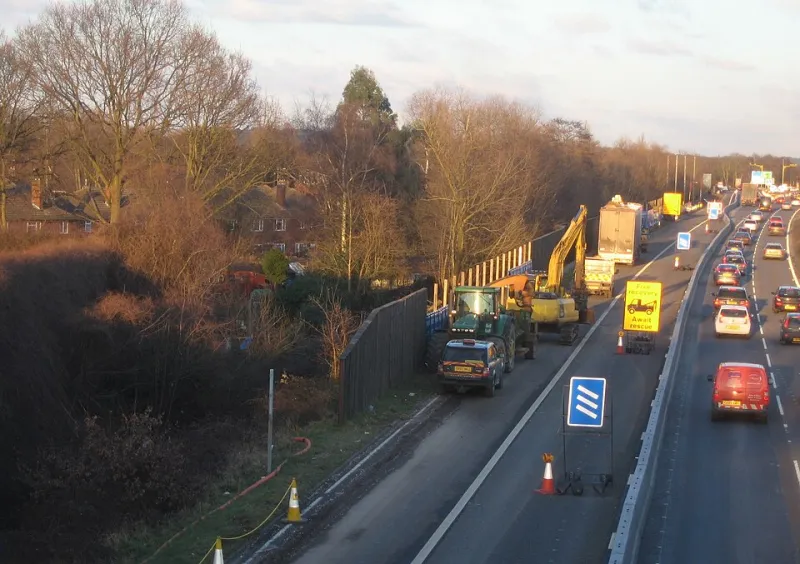
Photo: Fernweh , CC BY-SA 2.0, via Wikimedia Commons
As I write on 9 November 2026, large parts of Britain are in that familiar November mood: not stormy, not snowy, just grey. Fog is the weather equivalent of a blocked drain — ordinary, annoying, and easy to ignore until it costs somebody a fortune. It rarely gets a name. It does not produce the kind of warning graphic that makes people cancel plans and ring their neighbours. Yet a thick morning can shut a runway, stack a motorway, delay a hospital shift and leave a village school waiting for a minibus that never arrives.
The hazard that never gets top billing
Named storms are easy to talk about. They have personalities, wind speeds and a clear beginning and end. Fog is more awkward. It forms quietly, often overnight, and can be patchy enough that one driver is crawling through soup while another, five miles down the road, is wondering what all the fuss is about.
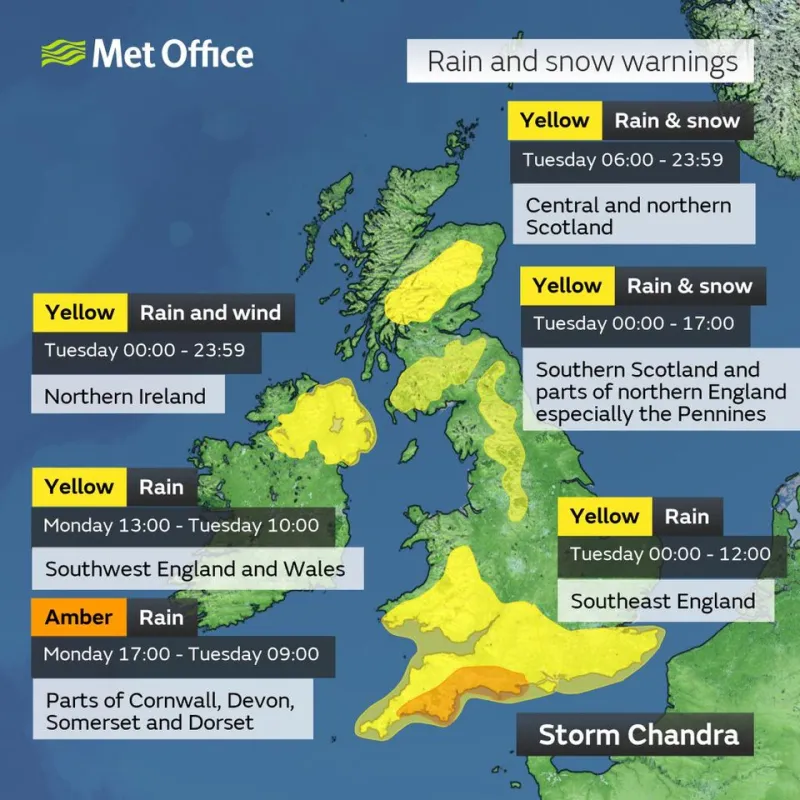
That patchiness is part of the problem. Met Office fog warnings are issued through the same National Severe Weather Warning Service as rain, snow and wind, using a likelihood-and-impact approach. A yellow warning might cover a broad area where fog is possible; an amber warning is reserved for cases where disruption is expected to be more serious. But fog warnings often lack the visual drama of a storm. They do not get the same media rhythm — the pre-warning build-up, the live blog, the aftermath package of fallen trees and flooded pubs.
In policy terms, that matters. Public attention shapes political attention. If a hazard never gets a headline, it rarely gets a dedicated funding line.
Runways, roads and the real cost of a grey morning
Airports are where fog’s bill becomes most visible. Modern aircraft and airports can operate in very low visibility using instrument landing systems, but not every aircraft, crew and runway is certified for the worst conditions. When fog closes in, flights get delayed, diverted or cancelled. Passengers miss connections. Crews hit hours limits. Ground staff schedules collapse. The knock-on effect can last well beyond the morning.
On the roads, the cost is more spread out but no less real. National Highways and local authorities use variable speed limits, warning signs and patrols, but fog does not respect council boundaries or police force areas. A slow commute is an inconvenience. A multi-vehicle collision in fog is a tragedy, a motorway closure and an insurance claim all at once.
Then there are the quieter costs. Delivery drivers lose time. Traders see fewer customers. Builders cannot work safely at height. Schools face late staff and delayed buses, and sometimes take the decision to open late or close. NHS trusts deal with staff who cannot get in, appointments that slip and extra pressure on already stretched teams. None of this appears as a single “fog bill”, which is exactly why it is easy to miss.
Who actually pays?
The honest answer is: lots of people, in small amounts. Households pay through missed work, childcare chaos and higher travel costs. Businesses pay through lost productivity and delayed deliveries. Insurers pay through claims. Councils and NHS trusts pay through overtime, rescheduling and disruption. Airports and airlines pay through compensation, rebooking and operational strain.
There is no storm-named compensation scheme for fog. There is no national fog recovery fund. The costs are absorbed, passed on or simply endured. That makes fog a classic example of a diffuse public problem: the total cost may be large, but it is scattered across so many budgets and diaries that no one is forced to add it up.
Why November is fog’s season
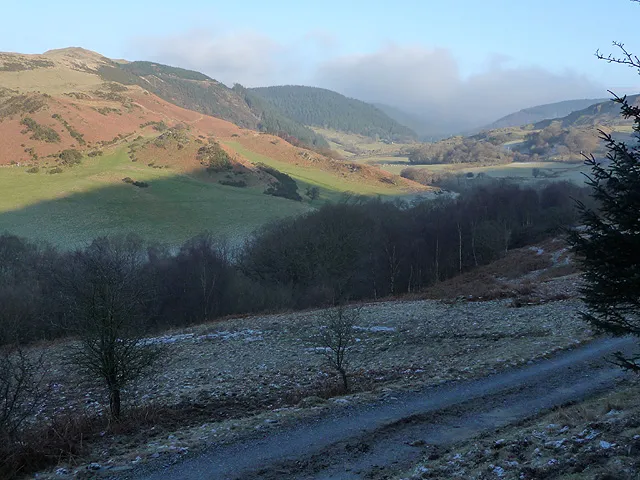
November is prime time for radiation fog. Long nights cool the ground, the air just above it cools too, and if there is enough moisture and little wind, the water vapour condenses into that low, stubborn greyness. Valleys, river basins and areas near coasts are especially prone. Add light winds and a bit of pollution, and visibility can fall fast.
Britain has a long history with this kind of weather. The Great Smog of 1952, which blanketed London and was linked to thousands of deaths, led to the Clean Air Act of 1956. Modern fog is not that fog — our air is cleaner, and the health risk is different — but the episode is a reminder that ordinary weather can have extraordinary consequences when institutions are slow to respond.
The case for taking fog seriously
None of this means Britain should treat every grey morning like a national emergency. It does mean fog deserves a more honest conversation. Are fog warnings clear enough about local impact? Do transport operators share disruption data quickly enough? Are councils and NHS trusts planning for the staff and school-run disruption that fog causes? And would a more consistent way of counting the cost change how we prioritise gritting, signage, public transport contingency and airport resilience?
Fog will never have the drama of a named storm. That is precisely why it needs a clearer place in the national weather conversation. The quietest hazard on the forecast may also be the one that quietly picks our pockets the most.