The Snowed-In Shift: Who Picks Up the Tab When Weather Clocks You Off
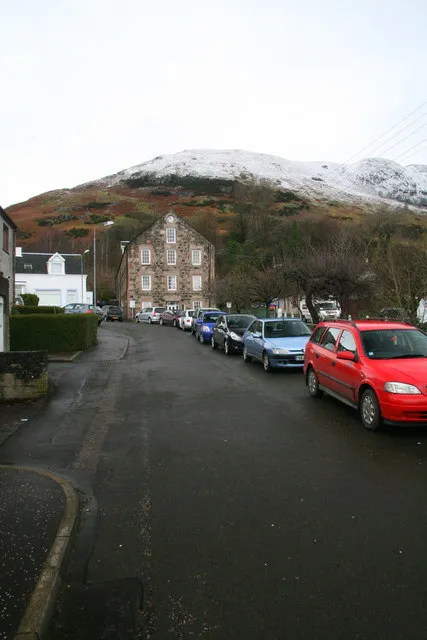
Photo: Dan, CC BY-SA 2.0, via Wikimedia Commons
There is a particular kind of message that lands at 6.45am on a snowy Tuesday. It is usually short, slightly apologetic and sent by a manager who has just looked at the hill outside the depot. The road is not safe. The site is shut. Stay home.
For about ten seconds, it feels like a lie-in. Then the real question arrives, right behind the kettle: is this paid?
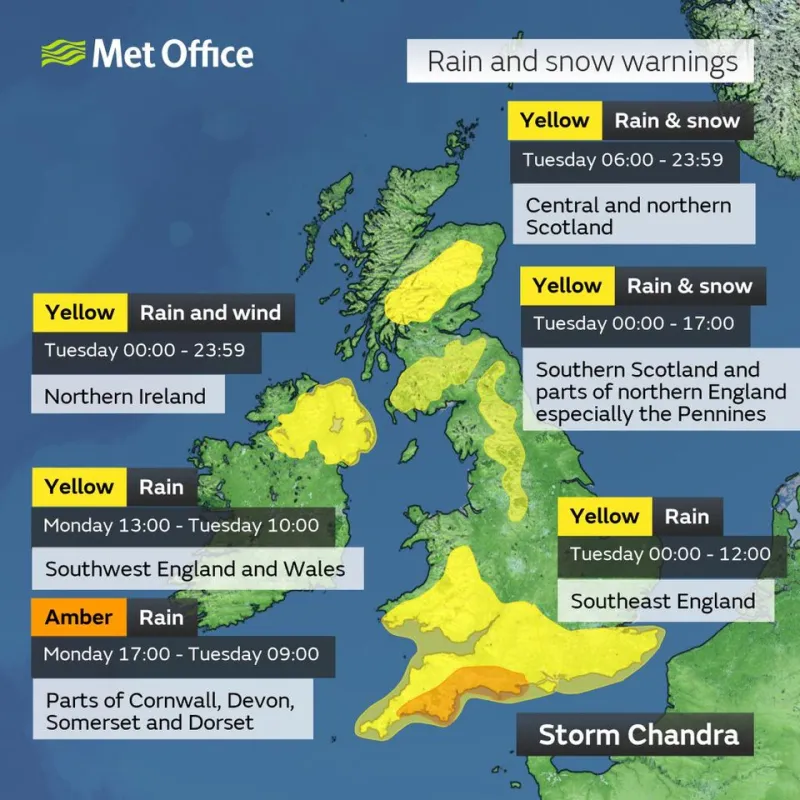
That depends. Not on how bad the weather is, not on how many yellow warnings are stacked on the forecast map, but on a quiet patchwork of contracts, employer policies and whether you are the person closing the door or the person who cannot get to it.
The text that starts the argument
Weather does not stop work in one neat way. Sometimes the boss shuts the premises. Sometimes the employee cannot get there because the A-road is blocked, the bus has given up or the childminder is snowed in. Sometimes the customer cancels, the delivery does not arrive and the shift quietly disappears.
Each version lands differently in the pay packet. And because Britain tends to muddle through with a mix of formal policy and informal goodwill, two people on the same street can have completely different mornings.
If the employer closes the door
When an employer decides to shut the workplace, the starting point is usually simpler than people expect. If you are ready and willing to work, you are generally entitled to your normal pay. You have not chosen to stay home. The boss has told you not to come in.
That is the broad principle, though contracts can contain lay-off or short-time clauses that change the picture. Those clauses are not as common as some managers seem to think, and they are not a magic wand for avoiding wages. ACAS guidance is worth a read before anyone starts improvising employment law over WhatsApp.
So a closed shop, office or site should not automatically become an unpaid day. If payroll later treats it as one, the first question is simple: what does the contract actually say, and was any deduction agreed?
If you cannot get in
This is where the mood music changes. There is no general statutory right to be paid just because snow stopped your commute. Your contract, workplace policy or collective agreement may say otherwise, but the default legal position is less comforting than the morning text.
Many employers offer paid special leave. Others ask staff to take holiday, rearrange hours or accept unpaid leave. Some do a bit of all three, depending on who is asking and how quickly the roads clear.
What an employer should not do is quietly dock pay without a contractual right or your agreement. Deductions from wages are not a free-for-all. And weather is not sickness. If you are fit and well but stuck at home, statutory sick pay is not the answer, and pretending otherwise can create a bigger mess later.
The holiday shuffle
Using annual leave for a snow day is often presented as the practical solution. It can be, especially if the alternative is unpaid leave. But it is not a magic fix. Holiday is a statutory entitlement, not a spare pot of employer cash, and there are rules about notice.
For workers on tight budgets, the difference between paid leave and unpaid leave is not an administrative detail. It is the difference between a normal week and a very long one. For small firms, the difference between paying a team for a closed day and losing a day’s takings can be just as sharp.
That is why the holiday shuffle feels less like a policy and more like a negotiation. It depends on trust, leverage and how much the rota can bend.
The small-business ledger
A snow day is not just a worker problem. For a café, garage, builder or independent shop, a closed day means wages, rent, energy and stock costs do not stop. The till does.
Some businesses have business interruption insurance, but policies vary wildly and many require physical damage rather than simply a road being impassable. A burst pipe is one thing. A quiet high street because nobody can get down the hill is another.
Council support tends to arrive through hardship funds, business rates relief or recovery grants after specific events, not as a general snow-day subsidy. Local authorities can be flexible, but they are not running a national payroll for bad weather.
The postcode of protection
This is where the weather story becomes a politics story. A salaried worker with a union and a written policy may barely notice a closed day. A zero-hours worker, agency temp or self-employed tradesperson may lose the shift and the income with no form to fill in.
Local welfare assistance can help in a crisis, but it is not designed to top up every lost shift. The result is a patchwork that runs through contracts, sectors and postcodes. The snow falls evenly. The protection does not.
Who should carry the risk?
There is a reasonable case for employers to be clearer before winter, not halfway through a cold snap. A written weather policy, explained in plain English, would save a lot of 7am arguments. It would also help managers who are making decisions under pressure with one eye on the road and one on the rota.
There is also a case for local and national government to be honest about what support exists, and what it cannot do. A weather warning tells you about the risk to travel. It does not tell you whether your shift is paid.
And there is a case for workers to ask the boring question in November rather than the urgent one in January: what happens if I cannot get in, or the workplace shuts?
Because the snow day is never just a day off. It is a small test of who carries the risk when the British weather makes work impossible. Too often, the answer is the person with the least room to absorb it.